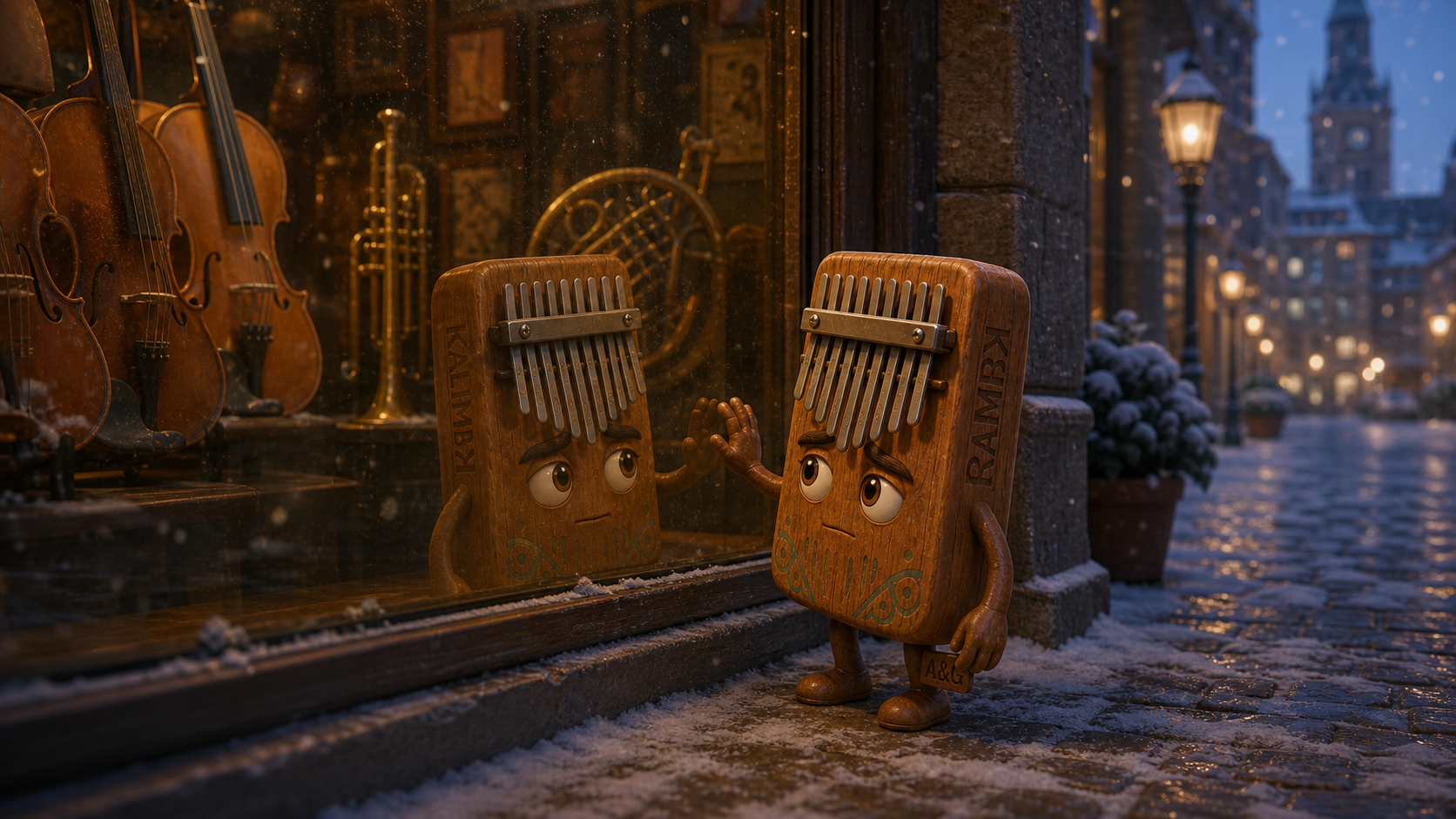
Quick, sharp, slightly nasal. Has a justification for every embarrassing thing he does on screen — each one thinner than the last. Carved his own name into the village wall, mostly to see if the letters still looked good.
Pipchi
·
Written On Me
Four hand-made instruments find their makers. Watched, in the dark, by themselves.
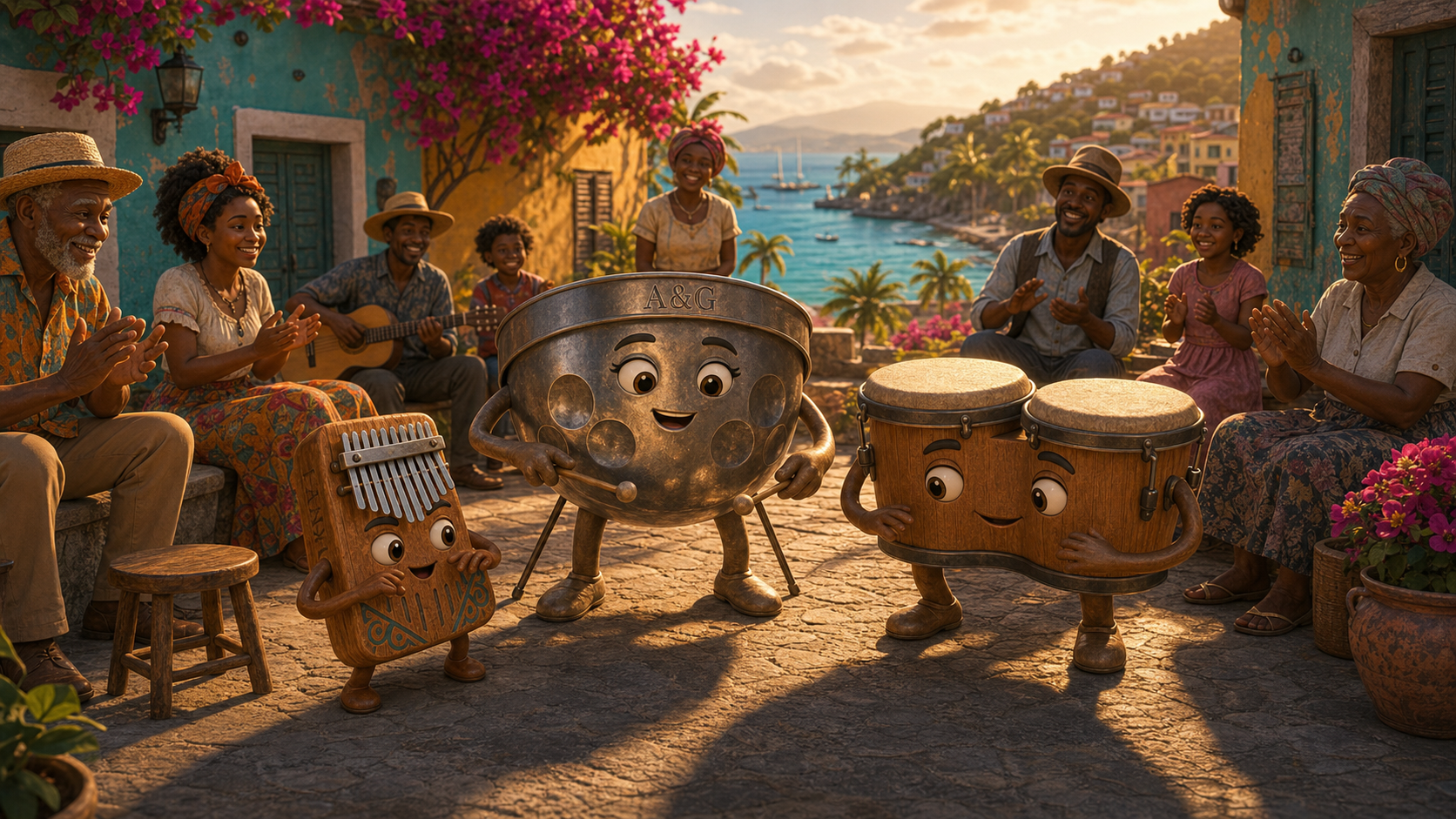
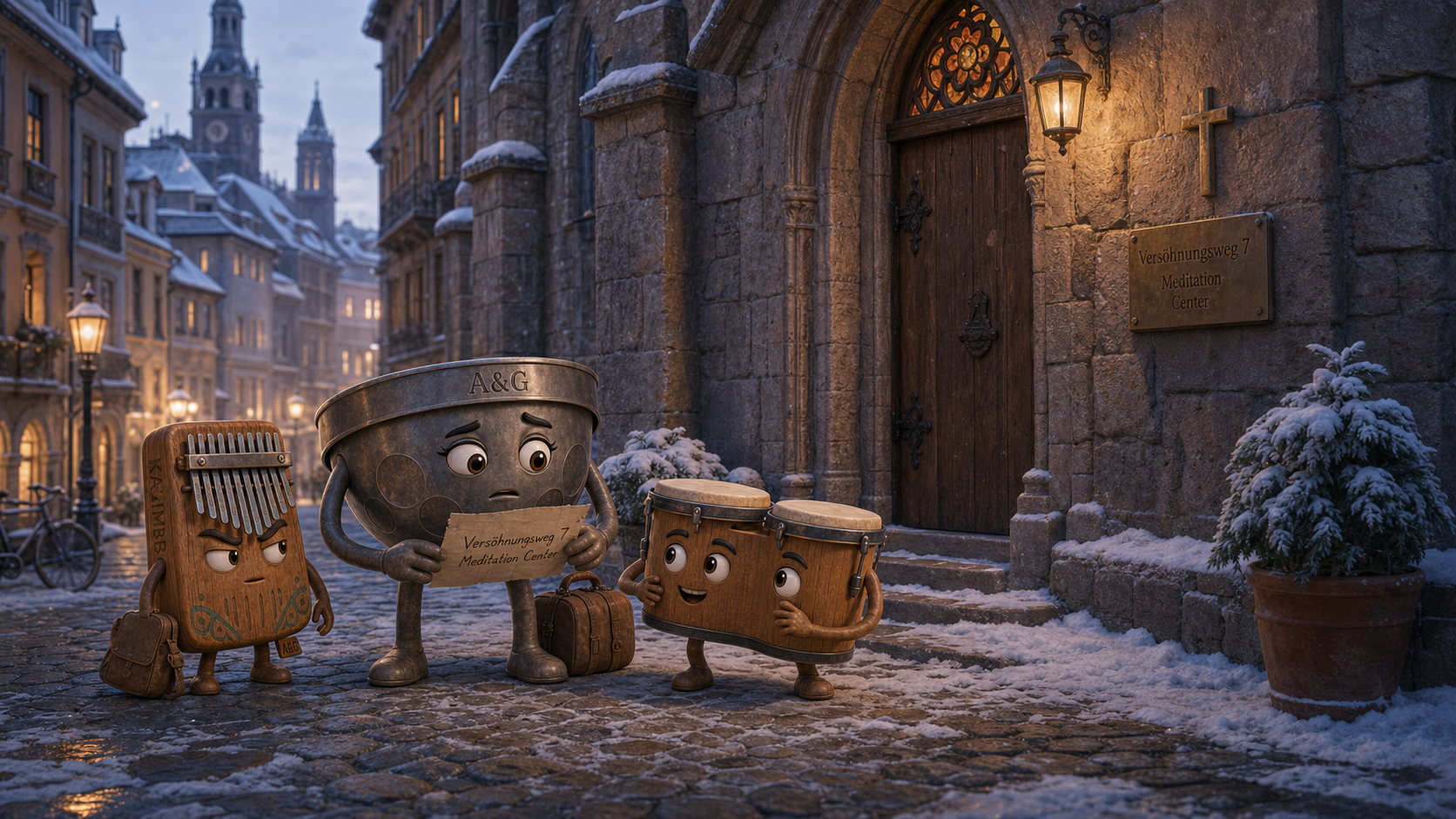
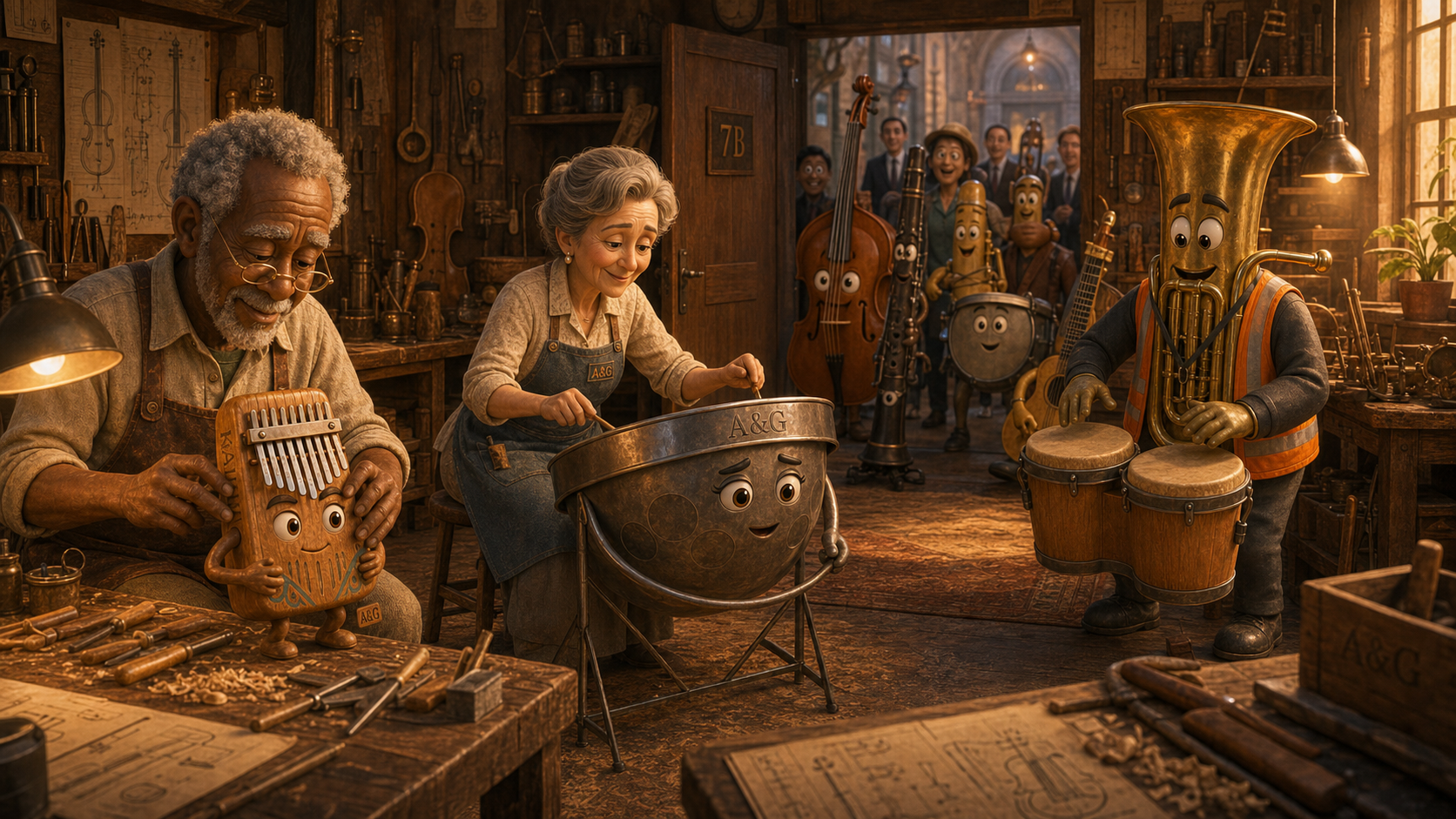
This is a small film about being recognized by the person who made you.
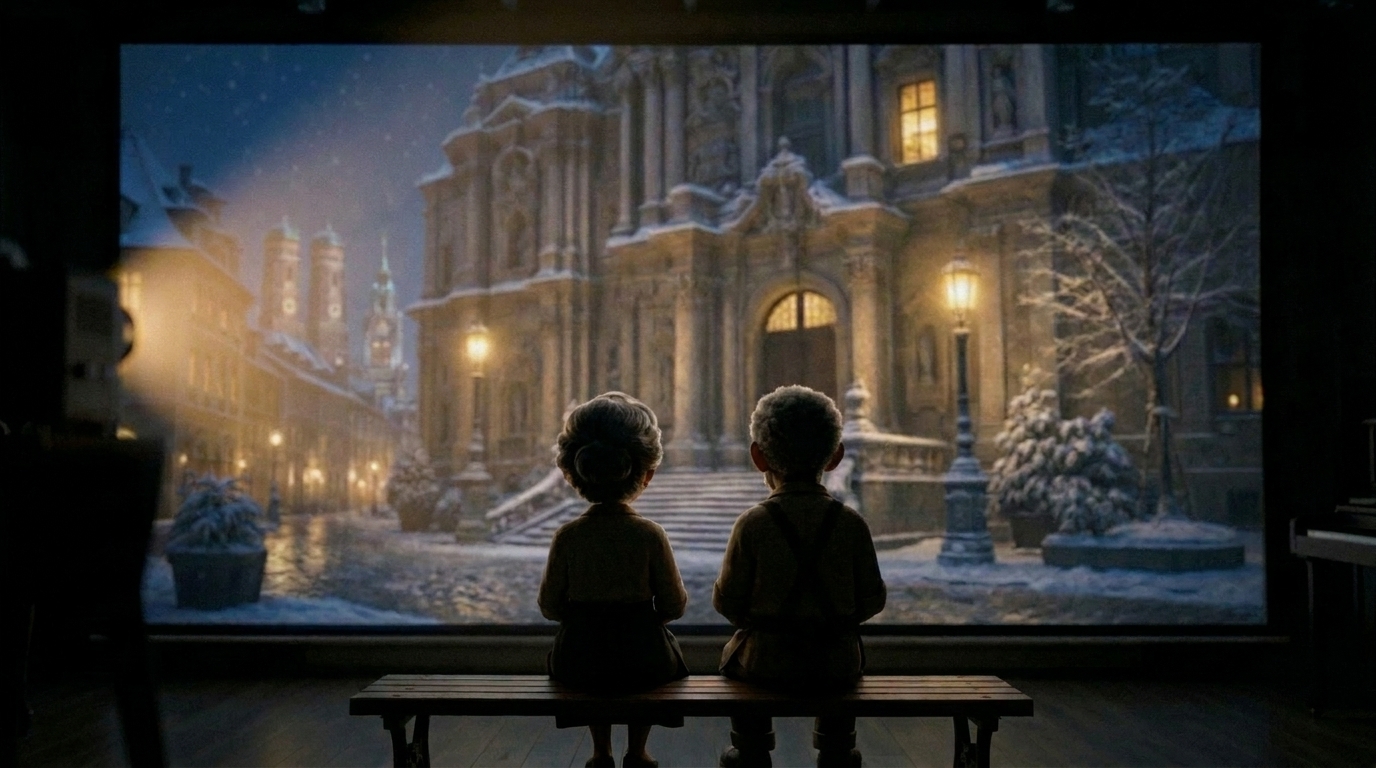
It's also a film watched, from start to finish, by the people in it — sitting in the dark, talking back, hyping each other up, telling the projectionist to skip the embarrassing parts. Steel Drum's out of the room right now. She'll be back.
They've all already lived this. They know what happens. They keep talking anyway. The script came first — these are the people in the watching room, not the film.
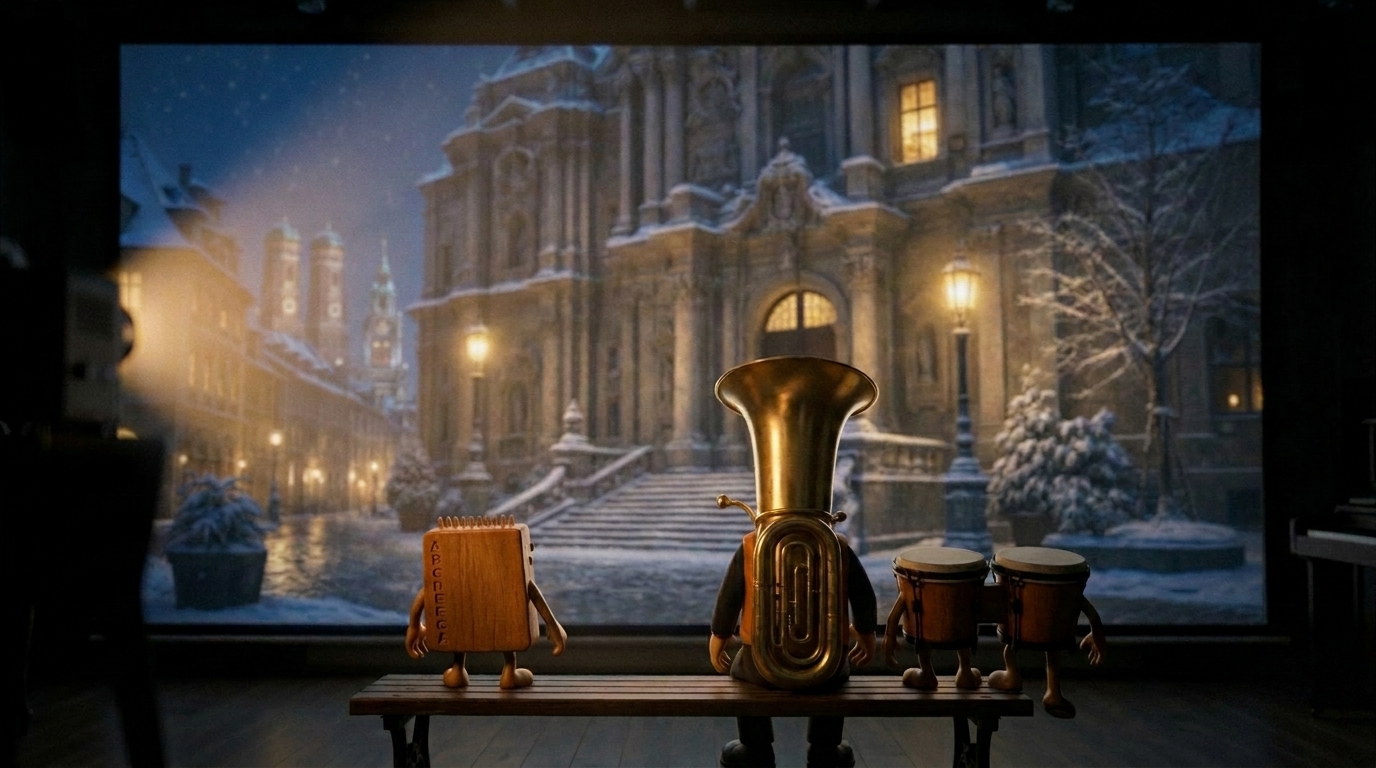
Quick, sharp, slightly nasal. Has a justification for every embarrassing thing he does on screen — each one thinner than the last. Carved his own name into the village wall, mostly to see if the letters still looked good.
Two modes: exasperated and accidentally lyrical. Can't watch herself — keeps asking Bongos to skip her scenes. He doesn't. She's stepped out for a minute. The middle seat is hers when she comes back.
Communicates entirely through drum sounds — rolls, thumps, slaps, the occasional muffled laugh-noise. Also runs the projector. Refuses to skip Steel Drum's scenes. Worships Tuba. Has no name carved on him. Nobody mentions it twice.
Wants very much to narrate. Keeps getting blocked. From Hannover, not the island — and he will tell you this. By the end, exactly one of his formal lines is allowed to land.
The film runs about eleven and a half minutes. The watching room talks over the first six. Then the voices start pulling back. By the end, only the film is left — until the door opens.


Ten tracks heard in the film. Three live at the heart of it — the main theme, Tuba's home, and the tender one. The rest sit underneath, in character, where they belong.
Greta"There you are."
AmosFive minutes.